Sweet Moon: Integrating a Fun Display Font into Professional Workflows
In the landscape of digital design, where consistency and clarity often reign supreme, there remains a distinct need for personality. Sweet Moon is not merely another typeface; it is a fun and casual display font designed to inject warmth and approachability into visual communications. For professionals, creators, entrepreneurs, and marketers who understand that tone is as critical as content, this font represents a strategic asset rather than just a decorative element.
The integration of a unique typeface like Sweet Moon requires more than simply selecting it from a menu. It involves understanding its role within a broader creative process, ensuring compatibility with existing brand guidelines, and knowing exactly when to deploy it to maximize impact. Whether you are launching a small business, managing a marketing campaign, or producing educational materials, the decision to use a display font must be made with intention. This article explores how to effectively incorporate Sweet Moon into your daily workflows, focusing on practical implementation, organizational efficiency, and long-term quality control.
Defining the Role of Sweet Moon in Visual Strategy
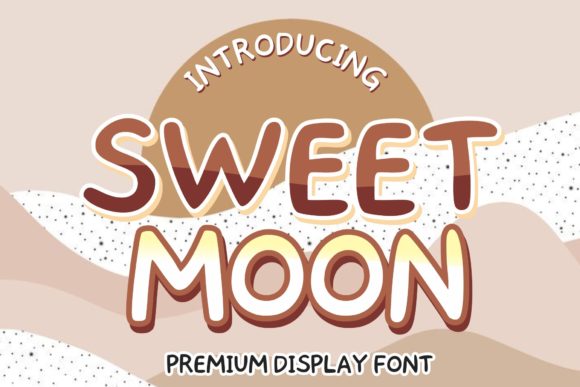
To utilize any tool effectively, one must first understand its capabilities and limitations. Sweet Moon is characterized by its playful curves and casual structure, making it an ideal candidate for headlines, logos, and attention-grabbing callouts. However, its "fun" nature means it should rarely be used for body text or dense blocks of information where readability is paramount.
For the productivity-minded user, thinking about fonts as part of a workflow begins with categorization. When organizing a font library, Sweet Moon belongs in a dedicated section labeled for "Display," "Headline," or "Accent." This separation prevents accidental misuse during high-pressure production phases. By keeping your assets organized, you reduce the cognitive load required to make design decisions, allowing you to focus on the strategy behind the message rather than the mechanics of selection.
The potential of this font lies in its versatility across themes. While it might seem niche, its casual aesthetic can soften the perceived rigidity of corporate communications or add a layer of creativity to educational resources. The key is recognizing that Sweet Moon enhances any creation by altering the emotional resonance of the final output. It signals to the audience that the content is accessible, friendly, and perhaps a bit unconventional.
Pre-Project Planning and Asset Selection
Before a single pixel is placed on a canvas, the planning phase dictates the success of the project. During the initial concepting stage, designers and strategists often define the "voice" of the communication. If the goal is to establish a connection with a younger demographic or to humanize a complex topic, integrating Sweet Moon early in the mood board process is essential.
- Brand Alignment: Evaluate whether the casual nature of Sweet Moon aligns with your current brand identity. If the brand is strictly formal, consider using this font only for specific sub-brands or limited-time campaigns.
- Complementary Pairings: A display font needs a reliable partner. Plan ahead by identifying clean, neutral sans-serif or serif fonts that will serve as the body text. This ensures that Sweet Moon remains the focal point without competing for attention.
- Scenario Testing: Sketch out potential use cases before committing. Will it look good on a mobile screen? How does it translate to print materials? Early testing prevents costly revisions later in the workflow.
This preparation phase is crucial for maintaining efficiency. By deciding on the font's role during the planning stage, you avoid the common pitfall of trying to force a style into a layout after the fact. It ensures that the visual hierarchy is established logically, supporting the overall narrative of the project.
Execution: Using Sweet Moon During the Creative Process
Once the plan is set, the execution phase begins. This is where the theoretical becomes tangible. In a fast-paced environment, such as a marketing sprint or a product launch, the ability to quickly apply the right typography can accelerate delivery times. Sweet Moon fits seamlessly into this rhythm when integrated correctly.
When working on social media graphics, email headers, or landing page hero sections, Sweet Moon acts as an immediate hook. Its unique shape draws the eye, breaking the monotony of standard grid-based layouts. For freelancers and small business owners who wear multiple hats, having a pre-configured template with Sweet Moon already applied to headline layers can save hours of manual formatting.
However, execution also demands discipline. There is a fine line between "fun" and "unprofessional." To maintain quality control, adhere to strict usage rules during the creation process. Limit the number of words styled in Sweet Moon per composition. Overusing a display font can dilute its impact and clutter the visual field. Instead, use it sparingly to highlight key messages, dates, or calls to action.
Furthermore, consider the technical aspects of implementation. Ensure that the font file is properly installed and compatible with the software stack you are using, whether it is Adobe Creative Cloud, Canva, Figma, or a web-based CMS. Compatibility issues can disrupt the workflow, leading to frustration and delays. Regularly updating your font library and verifying file integrity is a small but necessary step in maintaining a smooth operational pipeline.
Integration with Other Tools and Platforms
No designer works in isolation. The utility of Sweet Moon extends beyond the desktop application; it interacts with various platforms and team members. In collaborative environments, clear documentation regarding font usage is vital. If you are handing off a project to a developer or a copywriter, specify exactly where Sweet Moon should appear.
For web developers, embedding a custom display font requires careful consideration of loading speeds and cross-browser rendering. While Sweet Moon is a static asset, its performance on the live site depends on how it is served. Use modern web font formats (like WOFF2) to ensure that the font renders quickly across different devices. This technical optimization is part of the broader process of delivering a high-quality user experience.
In the realm of education and publishing, Sweet Moon can be a powerful tool for engagement. Educators can use it to create study guides, flashcards, or interactive presentations that feel less academic and more inviting. When designing learning materials, the font choice influences student perception. A playful header can lower anxiety and encourage exploration of the subject matter. Here, the font serves a pedagogical function, aiding in the retention of information by creating a positive emotional association with the material.
Post-Production and Long-Term Maintenance
The lifecycle of a design asset does not end at publication. Effective management involves reviewing performance and maintaining consistency over time. After a campaign or project launches, analyze how Sweet Moon performed. Did it increase click-through rates? Was it well-received by the target audience? These insights inform future decisions and help refine the workflow.
Consistency is the backbone of professional branding. As projects accumulate, it is easy to drift away from established standards. Periodic audits of your design systems ensure that Sweet Moon continues to be used appropriately. Check archived materials to see if the font has been misapplied or if it has lost its relevance due to changing trends.
Long-term use also requires organization. As your font library grows, so does the complexity of managing it. Implement a system for tagging and versioning your assets. If you update Sweet Moon or find a new variation, ensure that all team members are aware of the changes. This proactive approach prevents version conflicts and maintains the integrity of your visual identity across all touchpoints.
Practical Tips for Seamless Integration
To truly master the use of Sweet Moon, consider these actionable strategies for your daily routine:
- Create Style Guides: Document the specific weights, sizes, and colors associated with Sweet Moon in your brand guidelines. This eliminates guesswork and speeds up the approval process.
- Develop Template Libraries: Build a set of reusable templates for common tasks like blog posts, social media stories, and newsletters. Pre-load Sweet Moon into the headline layers so it is ready for immediate use.
- Focus on Contrast: Always pair Sweet Moon with a highly legible body font. The contrast between the whimsical display and the functional text creates a balanced and readable composition.
- Test Across Devices: Preview your designs on mobile, tablet, and desktop screens. Display fonts can sometimes lose detail or become illegible at smaller sizes, so adjust accordingly.
By treating font selection as a strategic component of your workflow rather than an afterthought, you elevate the quality of your output. Sweet Moon offers a unique opportunity to differentiate your work in a crowded marketplace. It allows you to communicate a specific mood and connect with your audience on a human level.
Ultimately, the value of Sweet Moon lies in its ability to enhance any creation while fitting naturally into diverse processes. Whether you are a marketer crafting a viral campaign, an educator simplifying complex concepts, or a freelancer building a personal brand, this font provides the flexibility needed to succeed. With proper planning, disciplined execution, and thoughtful maintenance, Sweet Moon becomes more than just a font; it becomes a fundamental part of your professional toolkit.
Embrace the casual elegance of Sweet Moon, but always prioritize the user experience. When used with intention, it transforms ordinary designs into memorable experiences, proving that even the smallest details play a significant role in the success of your projects.