Integrating Lusiana into Your Creative Workflow for Maximum Impact
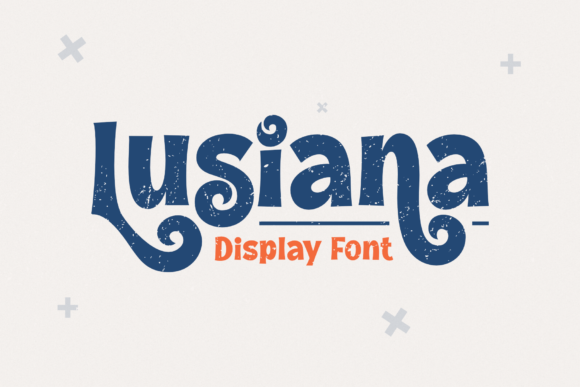
In the fast-paced environment of modern design and content creation, selecting the right typography is rarely just an aesthetic choice; it is a strategic decision that dictates the efficiency and quality of your final output. Lusiana stands out not merely as a display font with very friendly shapes for everyday use, but as a functional tool designed to streamline the visual hierarchy of complex projects. When you are managing a workflow that involves everything from initial concept sketches to final brand deployment, having a typeface that balances casual approachability with structural integrity can significantly reduce revision cycles and enhance communication.
The core philosophy behind Lusiana lies in its ability to enhance and maximize the designs you are working on without demanding excessive attention to technical setup. Its casual-style shapes and characters are created to serve specific roles within a broader design ecosystem. Whether you are a freelancer juggling multiple client deadlines or a marketing team launching a new product line, understanding where this font fits into your process is essential for achieving consistent, high-quality results.
Strategic Placement in the Design Lifecycle
To understand how Lusiana functions effectively, one must look at where it sits within the project lifecycle. Unlike highly decorative fonts that often require extensive kerning adjustments or specific layout constraints, Lusiana is engineered for versatility. This makes it an ideal candidate for the early stages of brainstorming and wireframing, where speed and clarity are paramount. Because of its friendly shapes, it allows stakeholders to visualize the tone of a project immediately, fostering better collaboration between designers, copywriters, and clients.
During the execution phase, Lusiana transitions from a conceptual placeholder to a primary asset. Its suitability for various designs such as Logo designs, Headlines, and Movie Titles means it can carry significant visual weight. In a logo design context, the font's rounded edges convey approachability, which is crucial for brands aiming to build trust with their audience. However, its utility extends far beyond simple branding. For infographics, the clear legibility ensures that data is communicated efficiently, preventing the visual noise that often plagues dense information graphics.
Furthermore, integrating Lusiana into long-term business workflows offers consistency benefits. When used for Company designs or Product Branding, the font acts as a unifying thread across disparate media channels. A social media post, a printed poster, and a digital banner can all maintain a cohesive voice when anchored by Lusiana. This consistency reduces cognitive load for the consumer and reinforces brand recognition over time.
Technical Integration and Accessibility
One of the most critical factors in modern design implementation is compatibility and ease of access. Lusiana Font is PUA encoded, which means you can access all of the glyphs and swashes with ease. This technical feature is often overlooked in general discussions about typography, yet it represents a massive efficiency gain for professionals. The Public Use Area (PUA) encoding allows designers to utilize specialized characters and stylistic alternates without needing external plugins or complex font management software.
In a practical workflow, this translates to a smoother editing experience. You do not need to switch between different font files to find a specific swash or alternate character. Instead, these elements are readily available within the standard character map of your design software. This accessibility supports rapid prototyping, allowing you to test different variations of a headline or title instantly. For educators and bloggers who frequently update content, this flexibility ensures that updates can be made quickly without technical bottlenecks.
The PUA encoding also enhances the longevity of your assets. By utilizing a comprehensive set of glyphs within a single file structure, you reduce the risk of missing font errors when sharing files with colleagues or handing off work to developers. This organizational efficiency is vital for teams operating in collaborative environments where file transfer and version control are constant concerns.
Practical Applications Across Industries
The adaptability of Lusiana makes it a valuable resource across a wide spectrum of professional activities. For entrepreneurs and small business owners, the font provides a cost-effective solution for creating professional-grade materials without the need for expensive custom lettering services. Its application in Classy Designs demonstrates that "casual" does not equate to "sloppy." The careful construction of the letters allows for elegant presentations that still feel accessible and human-centric.
Consider the scenario of a marketer launching a new campaign. They might use Lusiana for the main movie titles or video headers to grab attention, then switch to a neutral body font for readability. This contrast creates a dynamic visual rhythm that keeps the audience engaged. Similarly, for publishers and freelancers producing ebooks or digital guides, using Lusiana for chapter headings adds a distinct personality to the document, setting it apart from generic templates found in stock libraries.
- Logo Designs: Utilize the rounded forms to create memorable, friendly brand marks that stand out in crowded marketplaces.
- Headlines and Posters: Leverage the bold presence of the font to ensure key messages are read and retained by the viewer.
- Product Branding: Apply the font to packaging and labels to communicate quality and approachability simultaneously.
- Infographics: Use the clear structure to organize data points, making complex information easier to digest.
For hobbyists and productivity-minded users, the appeal of Lusiana lies in its simplicity. It removes the friction often associated with finding the "perfect" font. You can start designing immediately, knowing that the typography will support your vision rather than distract from it. This reduction in decision fatigue allows more time to focus on the core creative elements of the project.
Optimizing Quality Control and Consistency
Maintaining quality control in a design project often comes down to consistency. When you introduce a new font like Lusiana, it is important to establish guidelines early in the planning stage. Define exactly where the font will be used—whether strictly for headlines, subheadings, or body text in specific contexts. This prevents the common pitfall of overusing a display font, which can dilute its impact and make the design look cluttered.
When implementing Lusiana, consider the interaction with other tools and resources. If you are working within a design system or style guide, ensure that Lusiana is included as a standard option. This ensures that anyone contributing to the project understands the rules of engagement. For instance, if you are collaborating with a developer, providing the PUA-encoded font file directly simplifies the integration process into web or mobile applications.
Long-term use requires monitoring how the font performs across different mediums. While Lusiana is robust, testing it on various screen sizes and print resolutions is a necessary step in the quality assurance process. Pay attention to how the swashes render at smaller sizes and whether the friendly shapes retain their character when scaled down. These observations will help you refine your usage strategy and ensure the font remains effective throughout the lifespan of your project.
Maximizing Efficiency Through Smart Implementation
The ultimate goal of integrating any tool into a workflow is to increase efficiency without sacrificing quality. Lusiana facilitates this by reducing the time spent on typography adjustments. Because the shapes are so well-balanced, you spend less time tweaking kerning pairs and more time focusing on layout and composition. This shift in focus allows creators to iterate faster and produce higher volumes of work.
For those involved in learning activities or teaching, Lusiana can serve as an excellent example of how type influences perception. Using it in educational materials can demonstrate the power of choosing the right visual language to engage students or trainees. The font's approachable nature helps lower barriers to entry, making complex topics seem more manageable.
As you incorporate Lusiana into your routine, remember that the best results come from thoughtful application. Do not force the font into every corner of a design; instead, let its unique characteristics shine where they are needed most. Whether you are crafting a movie title sequence or a company presentation, the friendly shapes of Lusiana provide a solid foundation for impactful communication. By treating typography as a strategic component of your process rather than an afterthought, you elevate the overall standard of your work and achieve outcomes that resonate with your audience.
In conclusion, Lusiana is more than just a font; it is a versatile asset that aligns with the practical needs of today's creators. From its PUA encoding that streamlines technical access to its friendly shapes that enhance user engagement, it offers a complete package for professionals seeking efficiency and quality. By understanding its role in your specific workflow and applying it with intention, you can unlock new levels of creativity and effectiveness in your daily tasks.