Unlocking the Bold Personality of Kohatu for Your Next Creative Project
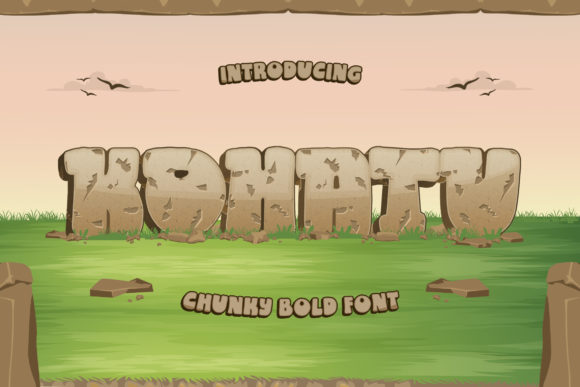
If you have ever scrolled through a sea of generic, safe typography and felt your designs lacking that necessary spark, you are not alone. Many creators struggle to find a typeface that commands attention without sacrificing readability or looking overly cliché. This is where Kohatu steps in as a transformative solution. Described as a chunky and bold display font, it brings an immediate sense of fun and quirkiness to any layout. However, simply downloading a font file does not guarantee success. There are specific nuances to how this typeface functions within a design ecosystem that can make the difference between a project that feels amateurish and one that resonates deeply with your audience.
Understanding the true potential of Kohatu requires looking beyond its striking appearance. It is designed for high-impact scenarios where personality is paramount. Whether you are crafting custom phone cases, designing vibrant greeting cards, creating event invitations, or branding merchandise like mugs, this font offers a distinct visual voice. Yet, even with such a versatile tool, there are common pitfalls that designers often overlook. These mistakes can undermine the effectiveness of your communication, waste time on revisions, or result in a final product that fails to engage viewers.
The Trap of Overuse and Context Mismatch
One of the most frequent errors when adopting a bold display font like Kohatu is assuming it works everywhere. The very qualities that make it attractive—its weight and quirky character—can become liabilities if applied indiscriminately. A common mistake is using Kohatu for body text or long-form content. Because the letterforms are chunky and stylized, they consume space rapidly and reduce legibility when used in paragraphs. This leads to reader fatigue and a poor user experience, causing your message to be lost rather than amplified.
Practical Correction: Reserve Kohatu strictly for headlines, subheads, logos, and short phrases. Think of it as the loudspeaker at a concert; it is perfect for the main announcement but terrible for whispering details. If you need to explain complex information, pair it with a clean, neutral sans-serif or serif font. This contrast ensures that while the headline grabs attention, the supporting text remains easy to digest.
Neglecting Technical Specifications for Physical Products
Many users jump straight into applying Kohatu to digital mockups without considering the physical constraints of their intended medium. When you decide to print this font on items like mugs, stickers, or apparel, the thickness of the strokes becomes critical. A bold font looks impressive on a screen, but on a small phone case or a curved mug surface, the ink spread (or "dot gain") can cause thin connecting parts of letters to merge, making them unreadable. Conversely, if the spacing is too tight, the design may look cluttered and messy.
To avoid ruining a production run, always check the kerning and stroke width before sending files to print. Test your design at 100% scale on the actual material if possible. For example, a word like "KOHATU" might look fine in a large poster size, but shrink it down for a tag on a garment, and the boldness might cause the letters to touch, losing their individual identity. Adjusting the tracking (letter spacing) slightly wider often compensates for this issue, ensuring the design retains its crisp, bold aesthetic even in smaller formats.
Evaluating Licensing and Commercial Rights
Another area where beginners often stumble is the legal aspect of acquiring and using fonts. Not all fonts available online come with clear licensing terms. Some creators assume that because a font looks free or is easily accessible, they can use it for commercial products like selling branded mugs or marketing materials. Using a font without the proper license can lead to costly legal disputes and the forced removal of your products from marketplaces.
Actionable Advice: Before you incorporate Kohatu into any client work or business inventory, verify the End User License Agreement (EULA). Ensure the license explicitly covers commercial use, web embedding, or merchandise printing, depending on your needs. Reputable font foundries provide these details clearly. Investing in a legitimate license protects your brand reputation and ensures you are operating ethically within the creative industry.
Misjudging the Balance Between Quirk and Professionalism
There is a fine line between "fun and quirky" and "unprofessional." While Kohatu is excellent for grabbing attention, it can sometimes feel too informal for certain industries. A financial advisor or a healthcare provider might find that using Kohatu for their primary branding dilutes their authority. The mistake here is forcing a personality-driven font onto a brand that requires trust and stability. If the font clashes with the core values of the business, it creates cognitive dissonance for the customer, who may question the seriousness of the service being offered.
Better Approach: Use Kohatu strategically as an accent rather than the foundation. You might use a serious, trustworthy serif font for the company name and employ Kohatu for call-to-action buttons, promotional banners, or seasonal campaigns. This hybrid approach allows you to inject energy and creativity without compromising the professional image of your organization. It shows that you understand your audience and know when to be bold and when to be reserved.
Optimizing for Digital Readability
In the digital age, many designs live on mobile devices where screen real estate is limited. A chunky font like Kohatu takes up significant horizontal and vertical space. A common oversight is failing to adjust the font size relative to other elements on the page. If the headline is too large, it pushes essential content below the fold, requiring users to scroll unnecessarily. Alternatively, if it is too small, the unique details of the glyphs get lost on low-resolution screens.
When designing for mobile, test your layout on various device sizes. Ensure that the bold weight of Kohatu does not overwhelm the visual hierarchy. Sometimes, reducing the font weight (if a lighter version exists) or simplifying the layout around the text can improve the overall flow. Remember, the goal is to guide the eye, not block the path.
Maximizing the Impact Through Strategic Pairing
The ultimate success of Kohatu often depends on what stands next to it. Pairing two bold fonts together is a recipe for visual chaos. Similarly, pairing it with a font that is too delicate can create a jarring disconnect. To get the best results, look for typefaces that complement the structure of Kohatu without competing with it. A geometric sans-serif often pairs well because it shares the modern feel but lacks the decorative quirks, providing a stable backdrop.
Consider the emotional tone you wish to convey. If you want to emphasize playfulness, ensure the secondary text supports that mood. If you want to highlight the boldness of the headline, let the secondary text recede. By carefully curating your typographic palette, you ensure that Kohatu shines as intended: as a standout element that drives engagement and communicates your message with clarity and style.
By avoiding these common missteps and focusing on strategic application, you can harness the full power of Kohatu. It is more than just a font; it is a design decision that shapes how your audience perceives your work. Whether you are a freelancer looking to impress clients or a small business owner wanting to stand out on social media, understanding the nuances of this bold typeface will elevate your projects from ordinary to exceptional.