Why Rocket Mouse Is the Bold Choice for Modern Branding
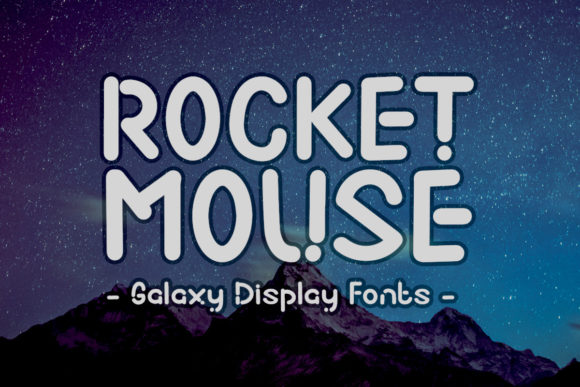
In a digital landscape saturated with generic typefaces, finding a font that instantly commands attention without sacrificing readability is a challenge many designers and business owners face. This is where Rocket Mouse steps in as a standout solution. It is not merely another decorative script or a standard sans-serif; it is a bold and impressive display font shaped in a modern and unique style. Its distinct character offers a level of personality that can elevate everything from a simple logo to complex web interfaces.
However, simply downloading a font file does not guarantee success. Many creators make the mistake of assuming that because a font looks striking in a preview window, it will perform equally well in real-world applications. To truly leverage the potential of this typeface, you must understand its specific strengths and the common pitfalls associated with using high-impact display fonts. By avoiding these errors, you ensure your projects maintain professional quality and clear communication.
The Appeal of Solid Kerning and Unique Styling
One of the primary reasons professionals gravitate toward Rocket Mouse is its solid and neat kerning. Kerning refers to the spacing between individual characters, and in display typography, this feature is often overlooked until it is too late. Poorly spaced fonts can look amateurish, causing the text to appear disjointed or difficult to scan. With Rocket Mouse, the spacing is engineered to create a cohesive visual flow, which is essential when the font is used for large headlines or prominent branding elements.
The unique style of the font allows it to bridge the gap between retro aesthetics and contemporary minimalism. This versatility makes it an excellent candidate for various mediums, including logos, t-shirt designs, and product packaging. When applied correctly, the font conveys confidence and energy, traits that are highly desirable for startups and creative agencies looking to establish a memorable identity.
- Visual Impact: The bold strokes capture the eye immediately, making it ideal for banners and hero sections on websites.
- Clean Lines: Despite its boldness, the design remains neat, preventing visual clutter in busy layouts.
- Versatility: From café decor signage to digital marketing materials, the font adapts well to different contexts.
Common Mistakes When Using Display Fonts
Even experienced designers can fall into traps when integrating a distinctive typeface like Rocket Mouse into their workflow. One of the most frequent errors is overusing the font for body text. While it is tempting to use a strong personality font throughout an entire document or website to maintain consistency, doing so creates visual fatigue. Readers struggle to process large blocks of heavy, stylized text, leading to poor user experience and reduced time on page.
Another significant oversight involves ignoring the context of the brand. A font that works perfectly for a high-energy sports brand or a trendy clothing line might feel jarring for a financial consultancy or a healthcare provider. Before purchasing or downloading Rocket Mouse, you must evaluate whether its "bold" nature aligns with the emotional tone you wish to convey. If the font clashes with your brand's core values, it can undermine trust and professionalism rather than enhance it.
Furthermore, scaling issues are a common technical pitfall. Because Rocket Mouse is designed for displays, shrinking it down to tiny sizes for footnotes or small UI buttons can render the details illegible. The unique shapes that give the font its charm may become muddy or indistinguishable at low resolutions. Always test your chosen font at the actual size it will be displayed in before finalizing your design.
Impact on Usability and Cost Efficiency
Making these mistakes has tangible consequences beyond just aesthetic displeasure. In terms of usability, confusing typography increases cognitive load, forcing users to work harder to read your content. For e-commerce sites, this can directly impact conversion rates, as customers may abandon products if they cannot quickly read the key features or prices.
From a cost perspective, rebranding due to poor font choices can be expensive. If a company invests in packaging and merchandise featuring Rocket Mouse, only to realize later that the font does not scale well across different print formats, they may have to reprint thousands of units. Similarly, updating a website after discovering that the font causes accessibility issues requires additional development hours and design resources. Preventing these errors upfront saves both money and time.
Practical Strategies for Effective Application
To avoid these common pitfalls, adopt a strategic approach when working with Rocket Mouse. Start by defining the hierarchy of your content. Use the font exclusively for headings, titles, and short slogans where its impact is maximized. Pair it with a clean, neutral sans-serif or serif font for body copy. This combination ensures that the unique character of Rocket Mouse shines without overwhelming the reader.
When applying the font to physical media, such as t-shirts or product packaging, always request a physical proof or a high-resolution mockup. Digital screens can sometimes mask color shifting or resolution loss that becomes apparent in print. Check that the kerning holds up when the text is curved around a bottle or wrapped around a box. The neat spacing mentioned earlier is a strength, but it must be preserved during the vectorization and printing process.
For web designers, consider the loading speed implications. Ensure you are using the correct font format (such as WOFF2) to keep file sizes optimized. A heavy display font can slow down a site if not compressed properly, affecting SEO rankings and user retention. Test the font across different devices and screen sizes to guarantee that the bold lines remain crisp on mobile screens.
Evaluating Your Choice Before Committing
Before finalizing your decision to use Rocket Mouse, run through a quick checklist to ensure it fits your project needs. Ask yourself if the font supports the necessary languages and character sets if you plan to target a global audience. Verify that the licensing agreement covers your intended use, especially for commercial projects like advertising campaigns or merchandise sales.
Additionally, gather feedback from a diverse group of people who represent your target audience. What one designer finds stylish, a broader consumer base might find distracting. Listening to this feedback early can save you from launching a campaign that misses the mark. Remember, the goal is to communicate clearly while adding style, not to let the style obscure the message.
By understanding the nuances of Rocket Mouse and approaching its application with care, you can create designs that are both visually stunning and functionally effective. Whether you are a freelancer designing a personal portfolio, a blogger creating engaging headers, or a small business owner crafting a new logo, this font offers a powerful tool. Just remember to respect its limitations, pair it wisely, and always prioritize clarity alongside creativity.
The right font choice acts as the voice of your brand. When used correctly, Rocket Mouse speaks loudly and clearly, ensuring your message resonates with your audience. Avoid the shortcuts that lead to confusion and instead focus on thoughtful integration. With the right balance of boldness and restraint, your projects will stand out for all the right reasons.