Why Right Paper is the Ultimate Display Font for Modern Designers
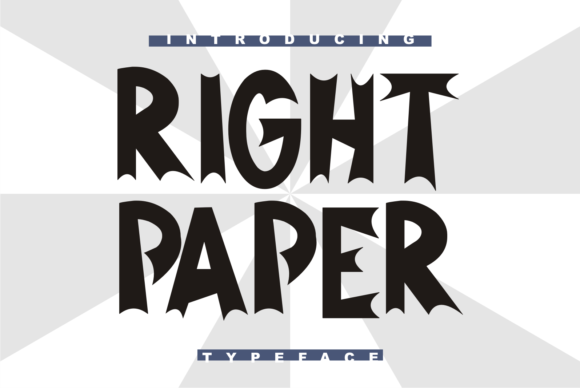
In the fast-paced world of digital design and print media, typography is often described as the voice of a brand. It does not merely convey information; it sets the tone, evokes emotion, and dictates how a message is perceived before a single word is read. Among the vast array of typefaces available today, Right Paper has emerged as a distinctive choice for creators seeking to make an immediate impact. This thick-lettered and cool display font offers a unique blend of simplicity and boldness that instantly elevates any project.
Whether you are designing a poster, a website header, or a branding package, the right typeface can be the difference between a forgettable layout and a memorable experience. In this guide, we will explore the significance of Right Paper, its practical applications in modern business and creativity, and why this specific font style is becoming a staple for those who value strong visual effects.
Understanding the Essence of Right Paper
To appreciate the utility of Right Paper, one must first understand what makes it stand out from standard sans-serif or serif fonts. As a display font, its primary function is not to fill pages with body text but to command attention at a glance. The defining characteristic of this typeface is its thick lettering. These heavy strokes provide a sense of weight and stability that lighter fonts simply cannot achieve.
The "cool" factor mentioned in its description stems from its geometric yet approachable structure. It avoids the overly ornate details found in decorative scripts or the rigid formality of traditional block letters. Instead, it strikes a balance that feels contemporary and fresh. When you apply Right Paper to a design, the result is a visual anchor that grounds the composition. This strong visual effect is crucial in an era where users scroll through content rapidly; your headline needs to stop the thumb, and this font delivers exactly that.
- Thickness: Provides high contrast against backgrounds, ensuring readability even from a distance.
- Simplicity: Clean lines prevent visual clutter, making the message clear and direct.
- Appeal: The unique styling creates a modern aesthetic that resonates with current design trends.
The Psychology of Thick-Lettered Typography
Why do designers gravitate towards thick letters? From a psychological perspective, bold typography conveys confidence, authority, and reliability. When a user encounters a headline set in Right Paper, they subconsciously register the message as important. This is particularly relevant in marketing and advertising, where the goal is to capture interest within milliseconds.
Furthermore, the simplicity of the font prevents cognitive overload. In a world saturated with complex graphics and flashy animations, a straightforward, thick-lettered font offers a moment of clarity. It allows the viewer to process the core message without distraction. This aligns perfectly with the principles of effective communication: less is often more when the goal is to inform and persuade.
Practical Applications in Business and Branding
The versatility of Right Paper makes it an invaluable tool across various sectors. Its ability to adapt to different contexts while maintaining its distinct character is what separates it from niche fonts that may only work in specific scenarios.
Enhancing Brand Identity
For startups and established businesses alike, establishing a recognizable brand identity is paramount. Logos and brand marks benefit immensely from the structural integrity of Right Paper. Because the letters are thick and well-defined, they scale effectively from a massive billboard down to a small social media profile picture without losing their legibility or impact.
Consider a coffee shop looking to project a vibe of artisanal quality and robust flavor. A logo featuring the name in Right Paper would immediately communicate strength and warmth. Similarly, a tech startup aiming to appear innovative and forward-thinking could use this font for their app interface headers, signaling that their product is solid and reliable.
Marketing Materials and Advertising
In the realm of digital advertising, click-through rates often depend on the effectiveness of the headline. Using Right Paper for call-to-action buttons or promotional banners can significantly increase engagement. The strong visual effect draws the eye naturally to the most critical part of the advertisement.
- Social Media Campaigns: Create eye-catching quotes or announcements that stand out in crowded feeds.
- Email Newsletters: Use the font for subject lines to ensure your email is opened over competitors'.
- Event Posters: Ensure event details like dates and locations are impossible to miss.
Integrating Right Paper into Creative Projects
Beyond commercial applications, Right Paper serves as a powerful asset for creative professionals. Artists, illustrators, and graphic designers often struggle to find a font that complements their artwork without overpowering it. The simple yet strong nature of this display font makes it an excellent partner for complex imagery.
Typography in Education and Informational Content
While display fonts are typically reserved for headlines, Right Paper can also play a role in educational materials. When creating infographics, presentations, or learning modules, using this font for key concepts helps students retain information. The thick lettering acts as a highlighter, drawing attention to essential terms and definitions.
For example, in a science presentation about climate change, using Right Paper for the title slide and major data points can help emphasize the urgency of the topic. The visual weight of the text mirrors the gravity of the subject matter, creating a cohesive narrative between the words and the design.
Web Design and User Experience (UX)
In web design, usability is king. However, aesthetics should never be sacrificed entirely. Right Paper offers a solution where both form and function meet. It is ideal for hero sections, navigation bars, and section dividers. Its clean lines ensure that it does not clash with other elements on the page, while its thickness provides the necessary hierarchy to guide the user's journey through the site.
It is important to note, however, that due to its display nature, this font should generally be used sparingly. Overusing thick-lettered fonts can lead to a design that feels heavy and overwhelming. The key is strategic placement—using it where you want to create a pause or a focal point.
Clarifying Common Misunderstandings
Despite its growing popularity, there are some misconceptions about display fonts like Right Paper that potential users should be aware of. One common assumption is that a bold, thick font is automatically "loud" or difficult to read. While these fonts are designed to be noticed, they are not inherently unreadable. In fact, the high contrast and clear shapes of Right Paper often make them easier to read at large sizes than thin, delicate fonts.
Another misunderstanding involves the versatility of the font. Some designers believe that because it is a "display" font, it cannot be used in professional or corporate settings. This is far from the truth. Many modern brands, including those in finance and healthcare, are moving away from stiff, traditional typography toward bolder, more human-centric designs. Right Paper fits perfectly into this shift, offering a professional look that feels accessible and modern.
Additionally, there is a concern regarding accessibility. While thick fonts are generally good for visibility, designers must ensure sufficient color contrast between the text and the background. A dark grey text on a black background, regardless of the font weight, will fail accessibility standards. Always pair Right Paper with high-contrast colors to ensure inclusivity for all users.
The Future of Typography and Right Paper
As we move further into a digital-first future, the demand for fonts that communicate quickly and effectively will only grow. With attention spans shrinking and competition for visual real estate increasing, the need for fonts that deliver a "strong visual effect" is more critical than ever.
Right Paper represents a trend toward functional beauty. It strips away unnecessary flourishes to focus on the core purpose of typography: communication. Whether you are a seasoned graphic designer looking to refresh your toolkit or a business owner trying to improve your brand's online presence, understanding and utilizing this font can yield significant results.
By embracing the simplicity and strength of Right Paper, you are not just choosing a typeface; you are choosing a strategy for clearer, more impactful communication. It reminds us that sometimes, the best way to be heard is to speak with a voice that is thick, cool, and undeniably confident.
Conclusion
In summary, Right Paper is more than just a collection of characters; it is a design element capable of transforming ordinary layouts into extraordinary experiences. Its thick-lettered structure and cool aesthetic make it a versatile choice for a wide range of applications, from branding to education. By understanding its strengths and applying it thoughtfully, you can ensure that your creations stand out in a crowded marketplace.
Whether you are launching a new product, redesigning a website, or simply looking to add some flair to your personal projects, consider giving Right Paper a try. It is a testament to the power of good design: simple, effective, and always appealing.