Horrific Font Evaluation: Is This Display Typeface Right for Your Project?
In the landscape of digital design and print media, selecting the appropriate typeface is often the difference between a project that feels polished and one that misses its intended emotional mark. When designers seek to evoke fear, tension, or raw intensity, standard sans-serif or serif options rarely suffice. Horrific emerges as a specialized solution in this niche, defined by its powerful and rough display characteristics. It is not merely a font; it is a stylistic tool designed to create a scary look and feel that resonates deeply with thriller and horror aesthetics.
For professionals aged 20 to 50 who are currently evaluating typography resources, the decision to use Horrific involves more than just aesthetic preference. It requires an understanding of how this specific typeface functions within a broader visual hierarchy. Unlike standard text fonts that prioritize readability above all else, Horrific prioritizes atmosphere. This evaluation explores what makes the typeface distinct, how it compares to other approaches in the thriller genre, and the practical tradeoffs involved in its application.
Distinguishing Characteristics of Horrific
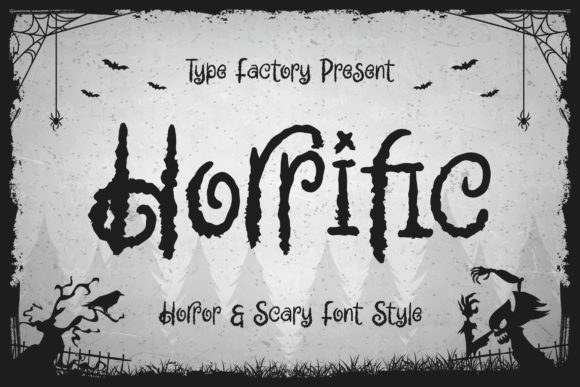
The core identity of Horrific lies in its deliberate imperfections. While modern typography often strives for geometric perfection and clean lines, this typeface embraces chaos. The strokes are rough, often appearing weathered, jagged, or distressed. This texture mimics the physical reality of decay, blood, or erosion, which instantly signals danger to the viewer's subconscious.
- Rough Texture: The edges of the letters are not smooth. They feature irregularities that suggest damage or age, adding a tactile quality to the digital image.
- High Contrast: Many variations of this style utilize extreme contrast between thick and thin strokes, creating a sense of instability and unease.
- Irregular Spacing: Unlike justified text blocks, Horrific often relies on uneven kerning to disrupt the natural flow of reading, forcing the eye to pause and process the visual noise.
These elements combine to make the typeface a "powerful" display option. It commands attention immediately, making it unsuitable for body copy but ideal for headlines, titles, and poster art where the goal is to stop a user in their tracks.
Comparative Analysis: Horror vs. Thriller Typography
When researching options for a project, it is crucial to distinguish between the sub-genres of fear. Not all scary fonts are created equal. Designers often confuse the aesthetic of a slasher film with that of a psychological thriller. Understanding these nuances helps determine if Horrific is the correct fit.
Gore and Slasher Aesthetics
Typefaces that lean heavily into gore often rely on dripping effects, bright red coloring, and chaotic splatter patterns. These fonts are loud and aggressive. If your project is about visceral violence or supernatural monsters, a font like Horrific fits well because its roughness suggests injury and destruction. However, if the project requires a more subtle approach, the sheer aggression of this font might overwhelm the content.
Psychological and Noir Thrillers
In contrast, psychological thrillers often benefit from fonts that are unsettling rather than explicitly bloody. Here, the "scary look and feel" comes from distortion, elongation, or a feeling of claustrophobia. Horrific can work in this context if used sparingly, perhaps for key words only, while leaving the rest of the design cleaner. The tradeoff here is legibility; using this heavy display font for long sentences will fatigue the reader and obscure the narrative.
Alternative Approaches
Some designers opt for custom hand-lettering or modified standard fonts to achieve a similar effect. Custom lettering offers total control over the mood but comes with significantly higher time costs and budget requirements. Digital alternatives, such as Horrific, provide an immediate library of characters that maintain consistency across different file formats. For small businesses or independent creators, the efficiency of a pre-made display font like this is often a decisive factor.
Practical Application and Best-Fit Scenarios
To make an informed decision, one must consider where the typeface will live. The versatility of Horrific is limited by its intensity. It is a spotlight, not a floodlight. Using it incorrectly can result in a design that looks amateurish rather than professional.
- Halloween Marketing Campaigns: This is the most obvious use case. For seasonal promotions, event flyers, or social media graphics, the font's thematic relevance is high. It signals to the consumer exactly what kind of experience they can expect.
- Movie Posters and Trailers: In the entertainment industry, the title card sets the tone. Horrific provides an instant genre cue. Its rough display nature ensures the title stands out against complex background imagery.
- Music Album Artwork: Genres like heavy metal, death metal, and industrial often utilize this style. The font aligns with the sonic aggression of the music, creating a cohesive brand identity.
- Video Game UI Elements: For horror games, this font works well for health bars, inventory screens, or dialogue boxes that represent a corrupted system or a dying character.
However, there are scenarios where this typeface should be avoided. Corporate branding, educational materials, and news websites generally require neutrality and clarity. Even in a creative agency portfolio, overusing Horrific can make the entire site feel dated or gimmicky. The key is restraint.
Evaluating Tradeoffs and Limitations
No design tool is without its compromises. When comparing Horrific to other resources, several limitations become apparent. The primary constraint is readability. Because the letters are stylized with distress and rough edges, fine details can get lost when the font is scaled down too small. On mobile devices, where screen real estate is limited, this can render the text illegible.
Legibility vs. Atmosphere
The balance between looking scary and being readable is delicate. If a designer pushes the "rough" aspect too far, the characters may lose their structural integrity, becoming mere shapes rather than letters. In these cases, the message is lost. Readers may appreciate the vibe but fail to understand the headline. Therefore, Horrific is best paired with a highly legible secondary font for any supporting text.
Licensing and Usage Rights
Another critical factor in the decision-making process is licensing. Fonts vary widely in their terms of use. Some are free for personal use but require a commercial license for paid projects. Others may restrict usage in certain contexts, such as merchandise or broadcast media. Before finalizing a design, it is essential to verify the specific terms associated with the Horrific font family. Ignoring these legal boundaries can lead to costly disputes later.
Technical Compatibility
While most modern operating systems support OpenType fonts, some older web browsers or print workflows may struggle with complex glyph sets. If the design relies on ligatures or special alternate characters to enhance the horror effect, testing across different platforms is necessary. A font that looks perfect on a Mac may render differently on a Windows PC or a mobile device, potentially ruining the intended effect.
Making the Final Decision
Selecting a typeface is ultimately about solving a communication problem. If the goal is to convey a sense of dread, urgency, or the macabre, Horrific offers a robust toolkit to achieve that vision. Its powerful and rough display nature makes it a standout choice for Halloween or thriller-themed projects where visual impact is paramount.
However, it is not a universal solution. For projects requiring subtlety, long-form readability, or a professional tone that avoids shock value, alternative options should be considered. The most effective designs often blend the dramatic flair of Horrific with more traditional typography, using each for its strengths. By understanding the distinct characteristics, comparing them against other styles, and acknowledging the limitations, designers can make a strategic choice that enhances their work without compromising clarity.
Ultimately, the right choice depends on the specific needs of the audience and the medium. Whether for a local haunted house attraction or a global movie release, ensuring that the font serves the story is the most important metric of success.