Kopiko Display Font: A Comprehensive Evaluation
In the competitive landscape of visual design, typography serves as the primary vehicle for conveying brand personality. Among the various typefaces available to designers, Kopiko has emerged as a distinct option for those seeking a cool and trendy-looking display font. This typeface is specifically engineered to grab attention, making it a popular choice for logos, badges, clothing, posters, and other projects that need to stand out from the crowd. However, selecting the right typeface requires more than just aesthetic appeal; it demands an understanding of how the font functions within different contexts.
This evaluation explores the characteristics of Kopiko, its practical applications, and the strategic considerations necessary when deciding whether to incorporate it into your design workflow. By analyzing its strengths and limitations, designers can make informed decisions that align with their specific project goals.
Understanding the Kopiko Typeface
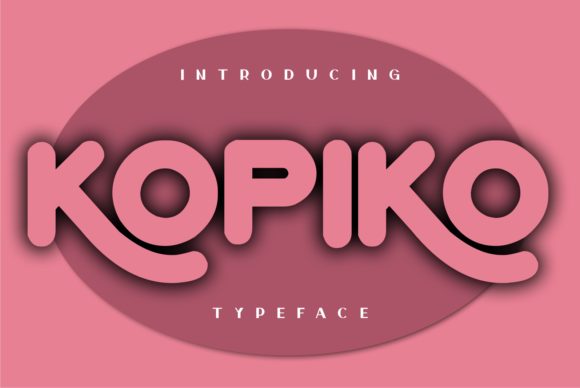
Kopiko is classified as a display font, a category reserved for typefaces designed to be used at large sizes rather than for body text. Its defining characteristic lies in its unique stylistic execution, which blends modern geometric sensibilities with a playful, trendy edge. The letters often feature bold strokes, rounded terminals, or unconventional spacing that creates a sense of movement and energy.
Unlike traditional serif or sans-serif fonts that prioritize readability and neutrality, Kopiko is inherently expressive. It communicates a specific mood—one that is youthful, dynamic, and unafraid to be noticed. When integrated into a design, it immediately shifts the viewer's focus, acting as a visual anchor that commands attention without requiring additional graphical elements.
Primary Applications and Use Cases
The versatility of Kopiko makes it suitable for a wide range of creative endeavors where impact is the primary objective. Designers frequently turn to this font when the goal is to create a memorable visual identity or to highlight key information in a crowded environment.
- Logos and Branding: For startups or lifestyle brands targeting younger demographics, Kopiko offers a distinctive look that helps establish a unique voice. Its trendy nature allows it to fit well with contemporary branding strategies that move away from corporate minimalism.
- Badges and Labels: In packaging design, such as on coffee bags, beverage cans, or product stickers, Kopiko stands out effectively. The font's bold structure ensures legibility even at smaller scales, provided it is used correctly.
- Clothing and Apparel: Streetwear and fashion brands often utilize Kopiko for t-shirt graphics and embroidery. The font's graphic quality translates well to fabric, creating designs that feel current and stylish.
- Posters and Event Marketing: For concert flyers, festival posters, or promotional banners, Kopiko excels in creating high-energy visuals. It pairs well with vibrant color palettes and illustrative elements to produce eye-catching advertisements.
Strategic Benefits of Using Kopiko
Selecting Kopiko provides several tangible benefits for designers looking to differentiate their work. The most significant advantage is its ability to convey a specific atmosphere instantly. Because the font is already associated with a "cool" and "trendy" aesthetic, it reduces the need for excessive styling to achieve a modern look.
Furthermore, the font's strong visual presence allows for effective hierarchy management. In a layout containing multiple elements, Kopiko naturally draws the eye first, allowing designers to use simpler, more neutral fonts for supporting text. This contrast can improve the overall clarity of the design while maintaining a cohesive style.
Additionally, Kopiko is generally versatile across digital and print media. Whether used in a social media graphic or a large-scale billboard, the font maintains its integrity and impact. This adaptability makes it a reliable tool for multi-channel marketing campaigns.
Tradeoffs and Practical Considerations
While Kopiko offers distinct advantages, it is not a universal solution. Every typeface comes with inherent tradeoffs that must be weighed before implementation. Understanding these limitations is crucial for avoiding design pitfalls.
The primary limitation of Kopiko is its lack of suitability for extended text. As a display font, it is not optimized for body copy or long-form reading. Attempting to use Kopiko for paragraphs of text will result in poor readability and visual fatigue. Designers must ensure they have a complementary body font that balances the energy of Kopiko with functional readability.
Another consideration is the potential for overuse. Because Kopiko is trendy, there is a risk that it may feel dated if the trend shifts rapidly. Furthermore, its strong personality can sometimes clash with brands that require a tone of seriousness, authority, or tradition. If a client represents a financial institution, a law firm, or a healthcare provider, Kopiko might undermine the message of reliability and trust.
Technical compatibility is also a factor to consider. While most modern systems support standard web fonts, custom display fonts like Kopiko may require specific licensing arrangements or file format conversions (such as WOFF2) to ensure proper rendering across all browsers and devices. Designers should verify the licensing terms before committing to a project.
When to Choose Alternatives
There are scenarios where Kopiko may not be the optimal choice, and exploring alternatives becomes necessary. If the project requires a clean, minimalist aesthetic, a more neutral sans-serif or a classic serif typeface would likely serve the purpose better. Similarly, if the target audience spans multiple generations or cultural backgrounds, a font with broader recognition and higher legibility might be safer.
For technical documentation, user interface (UI) design, or educational materials, readability takes precedence over style. In these cases, fonts designed specifically for screen legibility should be prioritized over display fonts like Kopiko. Additionally, if the design needs to accommodate a wide variety of languages or scripts, the designer must check if Kopiko supports the necessary character sets. Many display fonts have limited language support compared to comprehensive system fonts.
Decision-Making Insights for Designers
To determine whether Kopiko aligns with your goals, start by defining the core message of your project. Ask yourself: Does this project need to feel energetic, youthful, and bold? If the answer is yes, Kopiko is a strong candidate. If the goal is to convey stability, elegance, or neutrality, you should look elsewhere.
It is also essential to test the font in context. Place Kopiko alongside your intended body text and background colors to see how they interact. Ensure that the font does not overwhelm the content but rather enhances it. Creating a simple mockup can reveal issues with spacing, weight, and overall balance that are difficult to predict in theory.
Finally, consider the longevity of the design. Trends come and go, but good design endures. While Kopiko is currently trendy, ask whether it will still feel appropriate in two or three years. If the project is time-sensitive, such as a seasonal campaign, Kopiko is an excellent choice. For evergreen branding, a more timeless approach might be wiser.
Conclusion
Kopiko is a powerful tool in the designer's arsenal, offering a cool and trendy aesthetic that is perfect for projects needing to stand out. From logos and badges to clothing and posters, its visual impact is undeniable. However, its success depends on strategic application. By understanding its strengths, acknowledging its limitations, and carefully evaluating the specific needs of the project, designers can leverage Kopiko to create compelling and effective visual communications.
Ultimately, the decision to use Kopiko should be driven by the requirements of the audience and the objectives of the brand. When used thoughtfully, it transforms a standard design into a memorable experience.