Wallpaper: The Strategic Asset for High-Impact Visual Communication
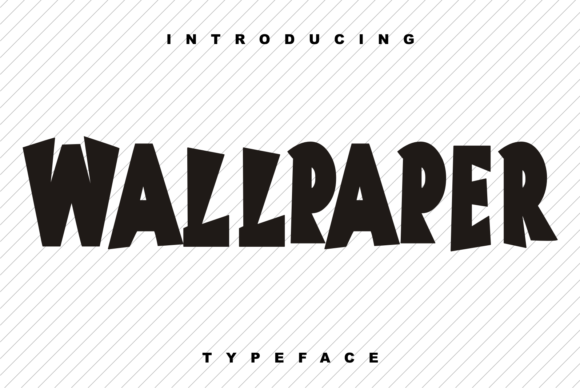
In the landscape of digital design and visual communication, few elements carry as much immediate weight as typography. While background textures and imagery set the mood, it is the text that anchors the message. This is where Wallpaper, a thick-lettered and cool display font, becomes an indispensable tool for professionals who demand clarity without sacrificing style. Unlike standard typefaces that blend into the background, Wallpaper is engineered to command attention. Its simple yet strong visual effect ensures that your creations stand out instantly, offering a competitive edge in crowded marketplaces.
For entrepreneurs, marketers, and content creators aged 20 to 50, the choice of typography is rarely just an aesthetic preference; it is a strategic decision that influences user engagement, brand perception, and information retention. Integrating Wallpaper into your workflow requires more than simply selecting a font from a dropdown menu. It involves understanding its specific characteristics, how it interacts with other design assets, and the most effective ways to deploy it across various stages of a project lifecycle.
Defining the Role of Wallpaper in Modern Workflows
To understand how to implement Wallpaper effectively, one must first recognize its unique position within the typographic hierarchy. As a display font, it is not designed for long-form body copy or dense data tables. Instead, it serves as a high-impact anchor for headlines, key messages, and branding elements. The "thick-lettered" nature of the font provides a sense of stability and authority, while its "cool" aesthetic adds a layer of modern sophistication that appeals to contemporary audiences.
In a professional setting, this font fits naturally into the preparation phase of any creative process. Whether you are launching a new product, rebranding a business, or creating educational materials, the initial stage often involves defining the visual identity. Wallpaper offers a distinct voice that can differentiate a project from generic templates. When used correctly, it signals confidence and intentionality, qualities that are essential for small business owners and freelancers looking to establish trust quickly.
The strength of Wallpaper lies in its simplicity. In an era of cluttered interfaces and overwhelming information, a font that cuts through the noise is invaluable. It does not rely on intricate flourishes or complex ligatures to make a statement. Instead, it uses bold strokes and clean lines to create a strong visual effect. This makes it highly versatile for use in both digital and print media, provided the context matches its intended function.
Strategic Integration Before Project Execution
Before a single pixel is placed or a page is printed, the planning phase determines the success of the final output. During this stage, Wallpaper should be evaluated alongside other visual resources such as color palettes, photography styles, and layout grids. Because the font is so dominant, it dictates the tone of the entire composition. If the surrounding elements are too busy or the colors are too muted, the impact of Wallpaper may be diminished.
Consider the scenario of a marketing campaign. Before launching an ad series, a strategist might test Wallpaper against different background images to ensure legibility and contrast. This pre-production testing is crucial for quality control. By establishing the font's role early, teams can avoid costly revisions later. For educators and bloggers, this means deciding whether Wallpaper will serve as the primary header for a course module or a featured quote in a newsletter. The decision made here sets the trajectory for the rest of the project.
Compatibility is another critical factor during the planning stage. While Wallpaper is visually striking, it must work harmoniously with the technical constraints of the platform being used. For web developers and publishers, checking font file formats and web-safe alternatives is essential. Ensuring that the thick letters render sharply on mobile devices and high-resolution screens preserves the intended visual effect. This attention to detail demonstrates a commitment to excellence and enhances the user experience.
Executing Projects with Precision and Style
Once the planning phase is complete, the focus shifts to execution. This is where Wallpaper truly shines, transforming ordinary layouts into compelling narratives. In the creative process, designers often struggle to balance readability with artistic flair. Wallpaper resolves this tension by providing a solution that is both functional and fashionable. Its strong visual effect allows it to act as a focal point, guiding the viewer's eye to the most important information.
For professionals working in fast-paced environments, efficiency is paramount. Using a font like Wallpaper can streamline the design process by reducing the need for additional graphic elements. A bold headline in Wallpaper might eliminate the need for decorative icons or heavy borders. This simplification leads to cleaner designs that load faster and communicate more directly. In the context of business workflows, this efficiency translates to reduced turnaround times and lower production costs.
Implementation also involves pairing Wallpaper with complementary typefaces. Since Wallpaper is a display font, it pairs best with simpler, neutral sans-serif or serif fonts for body text. This contrast creates a dynamic rhythm that keeps the reader engaged. For example, a report created for stakeholders might use Wallpaper for section titles to break up dense data, making the document easier to scan and digest. Similarly, a freelancer designing a portfolio website could use the font to highlight case study titles, drawing potential clients to their best work immediately.
The versatility of Wallpaper extends to collaborative projects. When multiple people are working on a single asset, having a designated display font helps maintain consistency. It acts as a visual rule that everyone follows, ensuring that the final product looks cohesive regardless of who contributed which part. This organizational benefit is particularly valuable for agencies and large teams where maintaining brand integrity is a top priority.
Post-Project Evaluation and Long-Term Use
The utility of Wallpaper does not end when a project is delivered. Effective creators look at their work with a long-term perspective, considering how assets can be reused or repurposed. A well-designed presentation deck using Wallpaper today can be adapted into a social media carousel or a printed brochure tomorrow. The strong visual identity established by the font ensures that these variations remain recognizable and impactful.
Feedback loops are also important after implementation. Observing how audiences interact with content featuring Wallpaper can provide valuable insights. Do users pause longer on pages with bold headings? Does the font improve conversion rates in landing pages? These observations help refine future strategies. For hobbyists and productivity-minded users, tracking these outcomes fosters a deeper understanding of design principles and personal style.
Furthermore, Wallpaper supports sustainability in design. By choosing a font that stands on its own without needing excessive decoration, designers reduce the environmental footprint of their projects. Less reliance on heavy graphics and complex backgrounds means smaller file sizes and less energy consumption for hosting and rendering. This aligns with the growing trend of sustainable practices in the digital industry.
Maximizing Potential Through Practical Tips
To get the most out of Wallpaper, practitioners should adhere to a few core principles of usability and organization. First, always prioritize contrast. The thick letters of Wallpaper require a clear distinction between the text and the background to maintain readability. Avoid placing the font over busy photographs or low-contrast gradients unless you add a subtle overlay or shadow.
Second, respect the scale. Display fonts are meant to be seen from a distance or read briefly. Using Wallpaper for small captions or fine print defeats its purpose and can cause eye strain. Reserve it for moments where you want to stop the scroll or grab attention. Third, experiment with spacing. Tight kerning can make the thick letters feel cramped, while generous leading can enhance the cool, modern vibe. Finding the right balance is key to achieving the desired aesthetic.
Finally, integrate Wallpaper into your personal brand guidelines. Whether you are a blogger, educator, or entrepreneur, consistency builds recognition. By making Wallpaper a staple in your visual toolkit, you create a signature look that audiences begin to associate with your name. This association strengthens your brand equity and differentiates you from competitors who rely on generic stock assets.
In conclusion, Wallpaper is more than just a font; it is a strategic tool for anyone serious about visual communication. Its thick-lettered, cool display style offers a simple yet powerful way to elevate projects across industries. From the initial planning stages to long-term brand development, integrating Wallpaper into your workflow can result in higher quality outputs, improved efficiency, and stronger audience engagement. By understanding its capabilities and applying it with intention, professionals can transform their creations into memorable experiences that resonate deeply with their target audience.