Unlocking Whimsy: The Strategic Power of Story of Rainbows in Modern Design
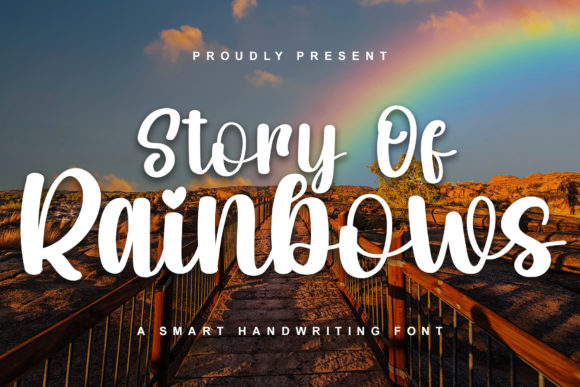
In a digital landscape saturated with uniformity, where sans-serif fonts dominate corporate websites and serif typefaces anchor traditional editorial layouts, there exists a distinct need for something that breaks the monotony. This is where Story of Rainbows enters the conversation not merely as a decorative element, but as a strategic asset for visual communication. Described as a chic and trendy display font, it brings a whimsical and quirky energy that can transform the tone of any project. However, its utility extends far beyond simple decoration; understanding how to integrate this specific typography requires a shift in perspective regarding how audiences perceive brand personality and emotional connection.
The Anatomy of Quirkiness in Typography
Typography is often described as the voice of design. While body text provides the substance of the message, display fonts like Story of Rainbows provide the inflection, the emotion, and the attitude. Unlike standard typefaces designed for maximum legibility over long passages, display fonts are engineered to capture attention within seconds. They rely on unique character shapes, varying stroke weights, and playful irregularities to stand out.
The "whimsical" nature of Story of Rainbows suggests a departure from rigid grid systems. It invites the viewer into a space of creativity and lightness. When a designer selects this font, they are making a deliberate choice to signal that their content is approachable, imaginative, and perhaps a bit unconventional. The "chic" descriptor implies that despite its playfulness, the font retains a level of sophistication. It does not look childish or amateurish; rather, it looks curated and intentional. This balance is crucial for professionals who wish to appear creative without sacrificing credibility.
Visual Characteristics That Drive Engagement
What makes a font truly effective in a crowded market? For Story of Rainbows, the answer lies in its structural quirks. These fonts often feature:
- Variable Stroke Widths: Thick downstrokes paired with thin upstrokes create a dynamic rhythm that guides the eye across headlines.
- Unique Terminal Shapes: The ends of letters may be rounded, flared, or tapered in ways that differ from standard geometric forms.
- Playful Ligatures: Connections between letters that feel organic and hand-drawn, adding a layer of human touch to digital media.
- Distinctive Ascenders and Descenders: Extended heights that add vertical interest to a line of text, breaking the horizontal flow.
These characteristics are not random; they are carefully crafted to evoke a specific psychological response. When used correctly, Story of Rainbows triggers a sense of delight and curiosity, encouraging users to pause and engage with the content rather than scrolling past it.
Practical Applications Across Industries
The versatility of a font like Story of Rainbows allows it to bridge the gap between various sectors. While it might seem obvious for use in children's products or party invitations, its application in professional and business contexts is where true innovation occurs. By analyzing real-world scenarios, we can see how this quirky aesthetic adds value to diverse workflows.
Creative Marketing and Brand Identity
For marketing agencies and startups, differentiation is the primary currency. A brand identity that relies solely on Helvetica or Roboto risks blending into the background. Incorporating Story of Rainbows into logo lockups, social media graphics, or campaign headers can instantly elevate a brand's perceived personality. It signals to the consumer that the company is modern, aware of trends, and willing to take creative risks. Consider a boutique coffee shop launching a new seasonal blend; using this font on the menu board or packaging creates an atmosphere of warmth and discovery, inviting customers to explore the flavors.
Educational Materials and Workshops
Educators and instructional designers often struggle with maintaining student engagement. Text-heavy slides or dry manuals can lead to disinterest. By integrating Story of Rainbows into presentation titles, worksheet headers, or interactive e-learning modules, educators can create a more stimulating environment. The whimsical nature of the font helps lower the affective filter, making learners feel less intimidated by complex topics. It transforms the learning experience from a chore into an adventure, aligning with the goal of making education enjoyable and memorable.
Digital Products and User Interfaces
In the realm of web and app development, the trend is shifting towards more expressive user interfaces (UI). While body text must remain highly readable, display areas such as landing page hero sections, error messages, or empty states offer opportunities for personality. A developer building a productivity app might find that a standard interface feels too sterile. Introducing Story of Rainbows in the welcome screen or during celebratory moments (like completing a task) adds a layer of emotional resonance. It brightens up the user's journey, turning functional interactions into delightful experiences.
Strategic Implementation and Best Practices
To add Story of Rainbows confidently to your projects without compromising readability or professionalism, one must adhere to specific design principles. The "quirky" aspect of the font demands respect for hierarchy and context. Overuse is the most common pitfall; just because a font is fun does not mean every word should be written in it.
- Establish Clear Hierarchy: Use the font exclusively for headlines, subheadings, or key call-to-action buttons. Let the body copy remain in a neutral, highly legible typeface. This contrast ensures that the whimsy enhances the message rather than obscuring it.
- Mind the Context: Ensure the font matches the brand voice. If you are designing for a financial institution, the usage should be subtle and sparing. Conversely, a lifestyle blog or art gallery can embrace the font more fully. The key is alignment with the overall brand narrative.
- Pairing Strategies: The success of Story of Rainbows often depends on what it is paired with. Since it is bold and expressive, it pairs exceptionally well with clean, minimalist sans-serifs or classic serifs. This combination balances the eccentricity of the display font with the stability of a supporting typeface.
- Consider Accessibility: While the font is charming, ensure that the letterforms remain distinct enough for users with visual impairments to decipher. Avoid using it at very small sizes where the intricate details may blur or become illegible.
The Psychology of Color and Form
The name Story of Rainbows itself evokes imagery of color and spectrum. While the font file may be monochromatic in many applications, the psychological association with rainbows suggests vibrancy. Designers can leverage this by pairing the font with bright, saturated colors or gradients. The font acts as a vessel for these colors, amplifying their impact. When a user sees a headline in Story of Rainbows rendered in a gradient of sunset hues, the effect is immediate and powerful, reinforcing the idea of brightness and optimism.
Emerging Trends in Display Typography
The current trajectory of web design and graphic arts is moving away from the "flat design" era that dominated the 2010s. We are entering a period characterized by "neo-brutalism," "maximalism," and "expressive typography." In this new wave, designers are encouraged to break rules and inject personality into every corner of a layout. Story of Rainbows fits perfectly into this paradigm shift.
Brands are realizing that consumers crave authenticity and human connection. A perfect, sterile font can feel cold and corporate. A font with character, like Story of Rainbows, feels human. It acknowledges that the people behind the brand have quirks, dreams, and stories. This trend is particularly relevant for small businesses and creators who want to compete with larger entities. By adopting a unique typographic voice, smaller players can establish a strong, memorable identity that resonates deeply with niche audiences.
Long-Term Viability vs. Trend Chasing
A common concern among designers is whether a trendy font will date quickly. While some display fonts are fleeting fads, those that combine "chic" aesthetics with timeless structural integrity tend to have longer lifespans. The description of Story of Rainbows as both "trendy" and "chic" suggests it has the potential to endure. Its whimsical nature is rooted in a playful interpretation of form rather than a gimmick. As long as the design community values individuality and expression, fonts that offer a unique voice will remain relevant tools in the designer's arsenal.
Conclusion: Embracing the Unexpected
In the end, the decision to use Story of Rainbows is about more than just selecting a typeface; it is about choosing a direction for your visual communication. It is a commitment to standing out, to brightening up dull interfaces, and to telling a story that is engaging and memorable. Whether you are a business owner looking to refresh your brand, an educator seeking to captivate students, or a creator aiming to express a unique vision, this font offers a versatile solution.
By understanding its characteristics, respecting its limitations, and applying it with confidence, you can unlock the full potential of this whimsical tool. The results speak for themselves: designs that not only inform but also inspire. As the digital world continues to evolve, the ability to convey emotion through typography will remain a critical skill. Story of Rainbows stands ready to help you navigate this landscape with style, charm, and a dash of delightful quirkiness.