Smokey: A Modern Display Font for Distinctive Branding
In the crowded digital landscape, visual identity often hinges on the subtle yet powerful choice of typography. Smokey has emerged as a compelling option for professionals seeking a modern display font that balances contemporary aesthetics with functional versatility. Unlike standard serif or sans-serif typefaces designed primarily for body text, Smokey is engineered to command attention while maintaining a sophisticated edge. This analysis explores its characteristics, practical applications, and why it stands out as a valuable asset for creators, entrepreneurs, and marketers looking to elevate their visual communication.
Defining the Smokey Typeface
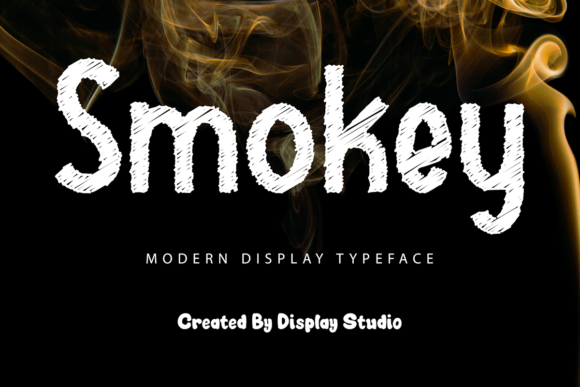
Smokey is not merely a decorative script; it is a carefully constructed modern display font designed to make an immediate impression. Its name suggests a certain atmospheric quality, which translates into letterforms that possess a soft, smoky texture without sacrificing legibility. The design philosophy behind this typeface focuses on fluidity and character, making it distinct from rigid geometric fonts or overly ornate vintage styles.
For designers and brand managers, the primary appeal lies in its ability to convey mood instantly. Whether used for a high-end event invitation or a bold startup logo, Smokey offers a unique voice. It avoids the pitfalls of being too trendy, ensuring that designs remain relevant longer. The strokes are clean enough to be reproduced clearly across various media, yet stylized enough to differentiate a project from generic templates. This balance is crucial for anyone aiming to create a professional image that feels both established and innovative.
Key Characteristics and Design Strengths
The structural integrity of Smokey is one of its most notable features. In many display fonts, stylistic flourishes can compromise readability at smaller sizes or lower resolutions. However, Smokey maintains clarity even when scaled down, provided it is used within its intended context. The curves are smooth, and the terminals often feature a slight taper that mimics the natural flow of ink, adding a human touch to digital screens.
- Fluid Geometry: The letterforms exhibit a dynamic rhythm, avoiding the static feel of blocky sans-serifs.
- High Contrast Variations: While not an extreme contrast typeface, Smokey utilizes subtle weight shifts to create depth and hierarchy.
- Modern Silhouette: The overall shape aligns with current design trends, favoring minimalism over excessive decoration.
These characteristics make it particularly effective for headlines, logos, and cover art where the first few seconds of engagement determine the viewer's interest. The font does not scream for attention through chaos; instead, it invites the audience in with a sense of calm confidence.
Practical Applications Across Industries
The versatility of Smokey allows it to serve a wide range of professional needs. Its adaptability is evident in how it performs across different mediums, from print to digital interfaces. Below are specific scenarios where this typeface proves its utility.
Brand Identity and Logo Design
For entrepreneurs and small business owners, establishing a memorable logo is paramount. Smokey offers a modern aesthetic that works well for lifestyle brands, boutique agencies, and creative studios. Because it possesses style variations, designers can adjust the weight or spacing to fit the specific constraints of a logo mark. The multilingual features further enhance its value for businesses targeting international markets, ensuring that the brand voice remains consistent regardless of the language used.
A fashion label might use Smokey for its main title to evoke elegance and movement, while a tech consultancy could utilize it for a tagline to suggest innovation without losing approachability. The key is leveraging its display nature to anchor the visual identity, allowing supporting elements to handle the informational load.
Invitations and Greeting Cards
Event planners and wedding coordinators often struggle to find fonts that look formal yet fresh. Traditional scripts can feel dated, while modern sans-serifs may lack warmth. Smokey strikes a perfect middle ground. Its organic flow adds a personal touch to invitations, making them feel curated rather than mass-produced.
When designing greeting cards, the emotional resonance of the typography is critical. Smokey's soft edges and inviting structure help convey sentiments effectively. Whether for a birthday, anniversary, or corporate holiday card, the typeface ensures the message is delivered with grace. The ability to maintain legibility on textured paper or digital backgrounds makes it a reliable choice for these tactile and visual projects.
Publishing and Editorial Content
Bloggers, publishers, and educators looking to refresh their content presentation will find value in Smokey for section headers and pull quotes. Using a display font for headings breaks the monotony of standard body text and guides the reader's eye through the content. For educational materials, the clarity of the characters ensures that students or trainees can easily distinguish between titles and explanatory text.
In digital publishing, where screen real estate is limited, the efficiency of Smokey becomes apparent. It conveys maximum impact with minimal space, allowing more room for content. This efficiency is essential for mobile-first strategies where users scan quickly before deciding to engage deeply.
Evaluating Usability and Workflow Integration
From a technical standpoint, the usability of Smokey is a significant factor for professionals managing tight deadlines. A font that requires constant tweaking or fails to render correctly undermines productivity. Fortunately, Smokey is built with robust file structures that support various software environments, from Adobe Creative Cloud to web-based design tools.
The inclusion of multilingual support is a major advantage. For global teams or creators serving diverse audiences, having access to extended character sets without needing to switch typefaces streamlines the workflow. This consistency prevents the jarring effect of mismatched fonts when translating content, preserving the intended aesthetic throughout the entire document.
However, like any specialized tool, there are considerations to keep in mind. Smokey is a display font, meaning it is not optimized for long-form body copy. Attempting to set paragraphs of text in this typeface can lead to readability issues and visual fatigue. The best practice is to pair it with a neutral, highly legible sans-serif or serif for body text. This combination leverages the strengths of both: the personality of Smokey for emphasis and the clarity of a standard font for reading.
Long-Term Value and Consistency
Investing in a typeface involves considering its longevity. Trends shift rapidly, but Smokey appears designed with a timeless quality. Its modern roots ensure it fits current design standards, while its classic proportions prevent it from becoming obsolete quickly. For freelancers and agencies building a portfolio, using a font that ages well contributes to a cohesive body of work.
The reliability of the rendering is another aspect of long-term value. Whether printed on large-format banners or displayed on small mobile screens, Smokey maintains its integrity. This consistency is vital for brand recognition, ensuring that the visual identity looks the same whether seen on a billboard or a social media profile picture.
Who Benefits Most from Smokey?
Determining if Smokey fits your needs depends on your specific goals and audience. It is particularly well-suited for:
- Creative Professionals: Graphic designers, illustrators, and art directors who need a versatile display font to add flair to their projects without compromising professionalism.
- Small Business Owners: Entrepreneurs launching new ventures who require a strong visual identity that distinguishes them from competitors.
- Marketers and Copywriters: Those crafting campaigns where headline impact drives conversion rates.
- Event Planners: Individuals organizing weddings, galas, or corporate events where atmosphere is key.
- Educators and Publishers: Creators of digital courses, e-books, or magazines seeking to improve content hierarchy.
Conversely, if your primary focus is on dense data visualization, legal documents, or academic papers requiring strict typographic conventions, Smokey may not be the optimal choice. In such cases, a more traditional, utilitarian font would better serve the need for neutrality and precision.
Final Thoughts on Implementation
Smokey represents a thoughtful addition to the toolkit of modern designers. It successfully bridges the gap between artistic expression and functional design, offering a solution that is both aesthetically pleasing and practically sound. By understanding its strengths and limitations, users can integrate it into their workflows to produce work that resonates with audiences.
When evaluating typography, the goal is always to enhance communication, not obscure it. Smokey achieves this by providing a distinctive voice that commands respect and attention. For those willing to experiment with its style variations and leverage its multilingual capabilities, the results can be transformative. As you consider your next project, whether it is a brand launch, a special event, or a digital publication, taking a closer look at Smokey could be the missing element that elevates your design from good to exceptional.